
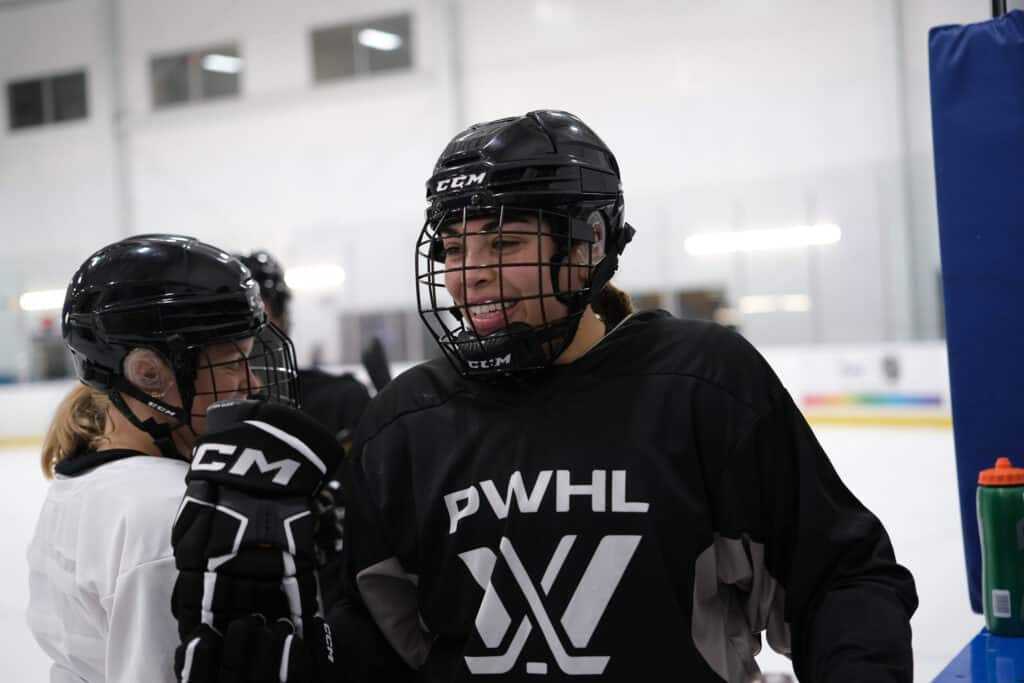
2025–26 PWHL Season Preview — key storylines, teams to watch, and big-picture context.
PWHL 2025–26 Season Preview
1. Big Picture / League Context
- The 2025–26 season (PWHL Season 3) kicks off on November 21, 2025. PWHL+2NHL+2
- The regular season has expanded to 120 games, with each of the 8 teams playing 30 games. PWHL+1
- Two expansion teams debut this season: Seattle and Vancouver. NHL+1
- There are two international breaks: one in December (Dec 8–15) and a long break in January–February for the 2026 Winter Olympics in Milano Cortina. PWHL
- The PWHL Takeover Tour, which brings regular-season games to neutral-site cities, has been expanded to 16 games in new markets (e.g., Chicago, Dallas, Halifax, Washington, D.C.). PWHL+2The Hockey Writers+2
2. Key Teams & Storylines
Minnesota Frost
- They are the two-time defending Walter Cup champions, so they’ll be the team to beat again. PWHL+1
- Leadership and core players remain strong: they’ve retained key veterans like Kendall Coyne Schofield and Lee Stecklein. PWHL
- But they lost some defensive firepower in the expansion (Claire Thompson, Sophie Jaques left), so how they adapt will be critical. PWHL
- Their goaltending is a strength: Maddie Rooney and Nicole Hensley share duties, giving the Frost reliable depth between the pipes. PWHL
- A rookie to watch: Kendall Cooper (D) — she’s described as “very cerebral” with strong two-way ability. PWHL
- New coaching addition: Brianna Decker (Hall of Famer) joins as part of the coaching staff, which could add a new dimension. PWHL
Outlook: Minnesota looks well-positioned to make another title run, but with more teams in the league, consistency will matter more than ever.
Boston Fleet
- Boston narrowly missed the playoffs last season, despite being in a tight tiebreaker race. PWHL
- Coaching change: Kris Sparre is the new head coach, replacing Courtney Kessel. Sparre leans into player development and process. PWHL
- Their core remains strong: Aerin Frankel (goaltender), Megan Keller (D), and Alina Müller (forward) are key veterans. PWHL
- They added Liz Schepers (champion from Minnesota) — a big pick-up. PWHL
- Rookie spotlight: Haley Winn, a blueliner known for her offensive ability, is expected to make a big impact. PWHL
- Goalie situation: Frankel is expected to carry the bulk of the load; Boston also signed Abbey Levy as backup. PWHL
- Boston’s schedule includes games at two home venues: primary at Tsongas Center and several at Agganis Arena. PWHL
Outlook: The Fleet are motivated to return to the playoffs. With their mix of experience and youth + a coach focused on growth, they could be a sleeper.
Vancouver Goldeneyes (Expansion)
- As a new franchise, Vancouver is aiming to be competitive from day one. PWHL
- Their roster has been built with a mix of international veterans (e.g., Sarah Nurse), strong defenders (Claire Thompson, Sophie Jaques), and elite goaltending. PWHL
- Goaltender tandem: They have a 1A/1B split, giving the coach roster flexibility and resilience. PWHL
- Identity: Coach Brian Idalski emphasizes speed, grit, and a balanced style. PWHL
Outlook: While expansion teams often take time, Vancouver has legit pieces — especially on defense and in net — to surprise people and potentially challenge for a playoff spot.
Seattle Torrent (Expansion)
- Makes its PWHL debut on Opening Night against Vancouver. PWHL
- Because they’re new, a lot hinges on how their roster gels, but they’ve made key signings and brought in talent to compete. NHL
- There’s also a built-in regional rivalry with Vancouver, which could fuel competitive intensity.
Outlook: A wild card. Seattle will want to establish itself quickly, but expansion growing pains are expected.
3. Major Themes / Trends to Watch
- Expansion Impact: With 8 teams now, the playoff dynamic shifts. Only four teams make the playoffs, so competition is tighter. PWHL
- Attendance & Growth: The expanded Takeover Tour suggests the league is serious about reaching new markets and building its fan base. Just Women’s Sports+1
- International Influence: The December break and Olympic break have real competitive implications. Teams need depth, especially for players who will join national teams.
- Parity: The PWHL has shown a good level of competitive balance — even the champion (Minnesota) hasn’t dominated by massive margins historically. PWHL+1
- Player Development: With more teams and a growing league, development of younger talent (rookies, second-year players) will be key to long-term success.
4. Risks & Challenges
- Expansion Risk: Can Seattle and Vancouver build chemistry quickly and compete? Expansion always comes with uncertainty.
- International Disruptions: The Olympic break could disrupt team momentum; teams need to manage rosters and lock in chemistry before/after.
- Consistency: For top teams (like Minnesota), sustaining peak performance over 30 games will be critical.
- Market Pressure: With the Takeover Tour and expansion, the PWHL is under pressure to deliver on growth — both on-ice success and fan engagement.
5. Predictions (2025–26)
- Minnesota Frost remain the favorites. Their championship pedigree, goalie strength, and leadership give them a strong shot at a three-peat.
- Boston Fleet could break back into the playoffs and emerge as a sleeper — if Winn and Schepers deliver and Frankel stays sharp.
- Vancouver could surprise. Their defense and goaltending are built to compete; they may not just be around — they could push.
- Seattle may have a tougher first year, but with the right pieces and momentum, they could challenge for a lower playoff spot if things click.