
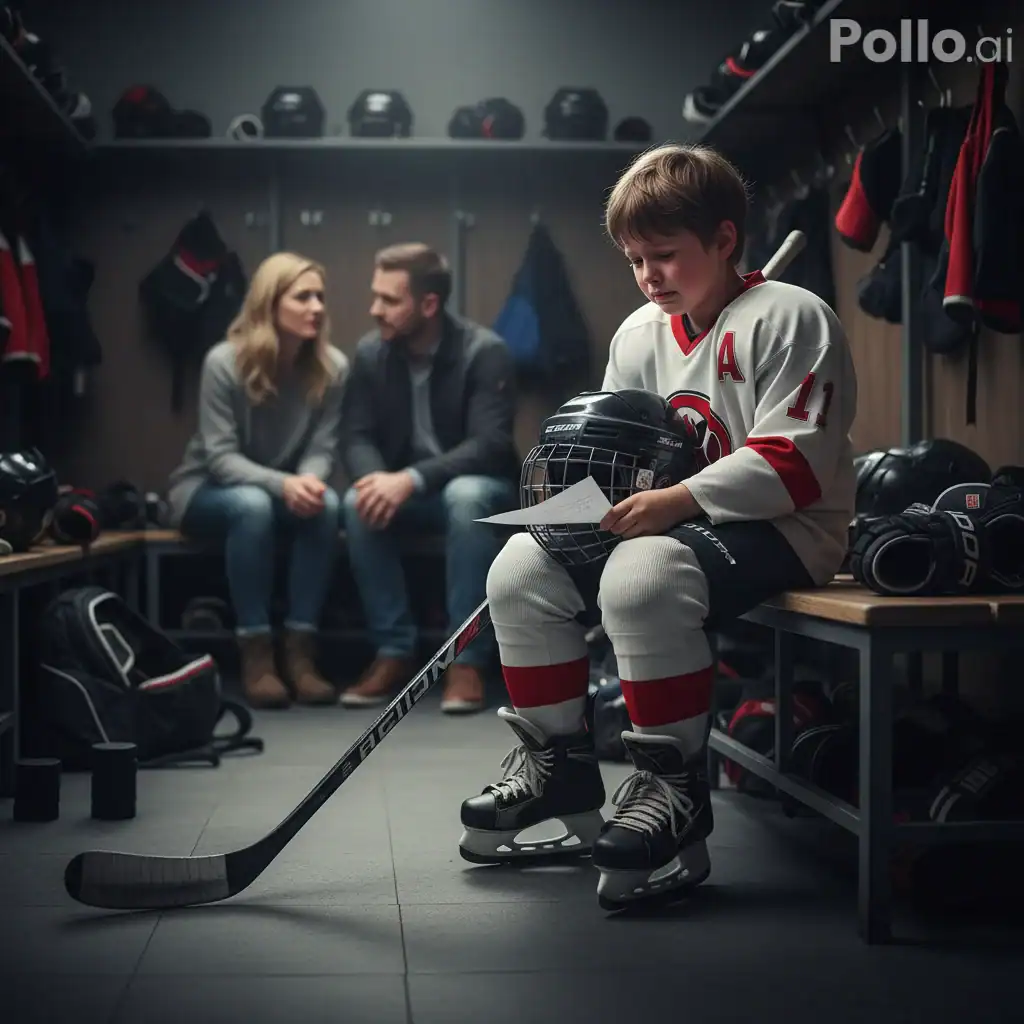
Kids quit hockey for a mix of practical, emotional, and developmental reasons. Research in youth sports and feedback from families tend to point to a handful of recurring issues:
1. It Stops Being Fun
- Too much pressure to win or perform
- Practices that feel repetitive, boring, or overly rigid
- Little opportunity to experiment, make mistakes, or play creatively
Fun is the #1 retention driver—once it’s gone, motivation drops quickly.
2. Coach Behavior
- Yelling, sarcasm, favoritism, or public criticism
- Limited communication or unclear expectations
- Coaches focusing on systems and results over development
Kids often quit the coach, not the sport.
3. Cost and Time Commitment
- Rising expenses (ice time, travel, equipment, fees)
- Long travel weekends and missed family time
- Burnout from year-round schedules
Families eventually ask: Is this worth it anymore?
4. Lack of Playing Time or Clear Role
- Sitting on the bench without explanation
- Feeling invisible or undervalued
- No developmental feedback or path forward
When kids don’t understand why they aren’t playing, they disengage.
5. Early Specialization & Burnout
- Hockey 10–12 months a year with little offseason
- Pressure to “keep up” with peers doing extra skates, camps, and training
- Mental and physical fatigue by early teens
Burnout often appears before kids reach their potential.
6. Social Factors
- Team conflicts, cliques, or bullying
- Friends quitting or moving to other sports
- Not feeling a sense of belonging
At younger ages especially, friends matter as much as hockey.
7. Physical Mismatch During Growth Years
- Late bloomers falling behind temporarily
- Coaches mistaking size/maturity for long-term talent
- Kids feeling “not good enough” during puberty
Many kids quit right before their biggest developmental leap.
8. Parent Pressure (Intentional or Not)
- Sideline coaching
- Constant comparison to other players
- Conversations focused only on mistakes, points, or ice time
Even well-meaning pressure can drain joy fast.
9. Limited Opportunity for Multi-Sport Athletes
- Conflicts with other sports or activities
- “All-in or else” messaging from programs
- Fear of falling behind if they take breaks
Kids who can’t explore interests often choose to walk away entirely.
10. No Clear Purpose
- Unsure what they’re playing for
- No alignment between effort and reward
- Hockey feeling like an obligation instead of a choice
Kids stay when they see meaning, not just a schedule.
Key Takeaway
Most kids don’t quit because hockey is too hard—
they quit because it becomes too stressful, too joyless, or too one-dimensional.
By Andrew Trimble
Purchase Andrew’s book, The Hockey Planner, here- The Hockey Planner: A Year by Year Plan to Assist You on Your Hockey Coaching Journey: From Learn to Play to Junior Hockey: Trimble, Andrew: 9781963743388: Amazon.com: Books