✅ Junior Hockey (USHL, NAHL, BCHL, CHL)
Very common — often the most-used system overall.
Why:
- ✔ Balances pressure and structure (great for mixed skill rosters).
- ✔ Limits odd-man rushes (huge at junior where mistakes happen fast).
- ✔ Easier to teach and standardize across lines.
Typical usage patterns:
- Many junior teams run a conservative 1-2-2 by default.
- Some switch to a more aggressive version vs weaker puck-moving teams.
- In playoffs (like you asked about recently), usage often increases because coaches want risk control.
👉 Rough estimate from coaches/scouts: 50–70% of teams lean heavily on it as their primary forecheck at the junior level.
✅ Pro Hockey (NHL, AHL, ECHL, European pro leagues)
Still very common — but more situational than at junior.
Why pros use it:
- ✔ Neutralizes elite transition teams.
- ✔ Great “middle ground” system when protecting leads.
- ✔ Allows controlled reloads and line changes.
But at pro level:
- Teams constantly toggle forechecks by situation:
- 🔴 2-1-2 when trailing or needing pressure.
- 🟡 1-2-2 in neutral situations.
- 🟢 1-3-1 / passive late with a lead.
👉 Rough estimate: most pro teams use some version of a 1-2-2 at times, but only about 30–50% use it as their primary base look.
Here are some clips from Pro Teams executing the 1-2-2:
NY Rangers – (2) Neutral Zone 1 2 2 forecheck – NY Rangers – YouTube
Seattle Kraken- (2) Kraken Neutral Zone Forecheck 1-2-2 – Wild @ Kraken 11/13/21 (3rd period @ 6:30) – YouTube
Washington- (2) Neutral Zone Forecheck (1-2-2) – YouTube
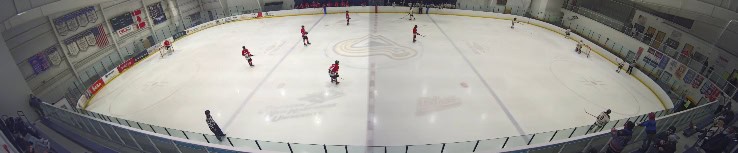
On March 6th, 2021 the New England Wolves travelled to the NH Avalanche for an EHL Premier game. Watch this clip.
The Wolves, in looking to create a different forecheck look against the Avalanche (who at the time were having a good season and higher in the standings), tried to execute a 1-2-2 delay forecheck. In theory this would help the Wolves in their transition game and create offense off changes of possession in the neutral zone.
The Avalanche instead of learning how to beat this forecheck and effectively break the puck out of their zone, refused to move the puck below their goal line. Players did laps and goal celebrations down their own bench. Fans started to become restless and verbally spat with one another.
This delay went on for roughly 8 continuous minutes. The Avalanche refused to advance the puck and the Wolves refused to break their 1-2-2 structure.
How Critical Are Advanced Systems in Junior Hockey?
✅ Critical for: Preparing Players for the Next Level
- Junior players aiming for NCAA/major junior/pro need familiarity with:
- Structured forechecks (1-2-2, 2-1-2 variations)
- Neutral-zone counters (1-3-1, trap adjustments)
- Layered defensive zone coverage
- Special teams rotations
- Scouts and college coaches often evaluate:
- Hockey IQ
- System awareness
- Ability to adapt in-game
👉 Players who’ve seen structured systems adjust faster at higher levels.
The best junior coaches teach systems to enhance instincts, prepare you for the next level and support your development—not disrespect it.
Situational intelligence, respect for the game, adaptability, and understanding of systems and structure could be the dividing line between your player advancing their game to the next level or stagnating. No system is perfect… If your coach or coaches refuse to teach you how to do something, how to break a forecheck or beat a penalty kill system, they are doing an immense disservice to your athlete who may encounter these systems at higher levels of hockey.
By Andrew Trimble
To Purchase Andrew’s book, The Hockey Planner, follow this link here- The Hockey Planner: A Year by Year Plan to Assist You on Your Hockey Coaching Journey: From Learn to Play to Junior Hockey: Trimble, Andrew: 9781963743395: Amazon.com: Books