
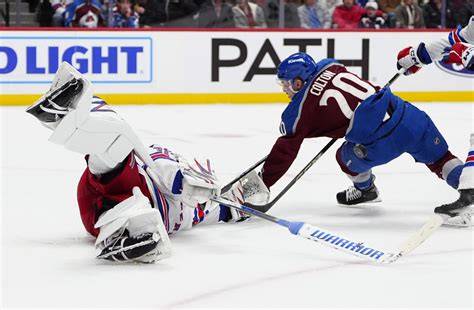
Early-season struggles can really test a team’s identity. Here are some specific, practical ways to keep a hockey team motivated and united when the results aren’t going your way early:
🧠 1. Reframe the Struggles as Part of the Process
- Shift perspective: Emphasize that the season is a journey of growth — not a sprint. Early struggles are opportunities to identify weaknesses and improve before the games matter most.
- Language matters: Avoid saying “we’re losing”; instead say “we’re learning,” “we’re building,” or “we’re close.”
- Show clips of good moments even in losses — it reinforces that progress is happening.
🔁 2. Focus on Small, Controllable Wins
- Instead of talking about the standings, track effort-based goals: winning puck battles, blocked shots, net drives, stick positioning, etc.
- Celebrate those mini-victories in team meetings or locker room boards — make the work visible.
🤝 3. Strengthen Team Identity & Culture
- Revisit your team values — what do you want to be known for (grit, speed, structure, discipline)?
- Use team meetings or short locker-room chats to reinforce that identity daily.
- Create ownership: let captains or small groups lead warmups, pregame speeches, or film breakdowns. Empowerment fuels buy-in.
💬 4. Keep Communication Honest and Positive
- Players can sense frustration — be transparent about expectations but keep your tone constructive.
- Have quick 1-on-1 check-ins: “How are you feeling about your game? Anything I can help with?”
- If the group is tense, lighten the mood with a fun practice — shootout contests, small-area games, or a relay competition.
🧩 5. Reinforce Effort Over Outcome
- Reward hustle plays in video review or practices.
- Post a “Hard Hat Award” or “Player of the Week” based on work ethic, not stats.
- This builds internal competition for the right reasons.
🕹️ 6. Mix Up Practice Energy
- Keep practices high-tempo and competitive, but sprinkle in fun drills or competitions.
- Sometimes a short, upbeat 45-minute practice does more good than grinding through 90 minutes.
- Change the environment occasionally — music in warmup, 3v3 tournament, etc.
🏒 7. Focus on Process Goals
- Define short-term goals for the next 3–5 games (e.g., “limit turnovers under pressure,” “increase shots from the slot”).
- Measure progress and celebrate when the team meets those small benchmarks — even if the scoreboard doesn’t yet reflect it.
🔥 8. Model Composure as a Coach
- The team takes its emotional cue from the staff. Stay consistent in demeanor — not too high, not too low.
- Players buy into calm leadership far more than panic or negativity.
💬 9. Share Stories of Turnarounds
- Bring up examples of great teams that started slow and finished strong — NHL, college, or even past seasons from your own program.
- It reminds players that early adversity can build something special if handled right.
❤️ 10. Keep it Fun and Connected
- Team meals, community events, or fun off-ice challenges can reset the group emotionally.
- Remind them why they play the game — not just to win, but because they love it.
By Andrew Trimble
Andrew is the GM/ Co- Owner of the New England Wolves- www.ne-wolveshockey.com
To Purchase Andrew’s book, The Hockey Planner, follow this link here- The Hockey Planner: A Year by Year Plan to Assist You on Your Hockey Coaching Journey: From Learn to Play to Junior Hockey: Trimble, Andrew: 9781963743395: Amazon.com: Books