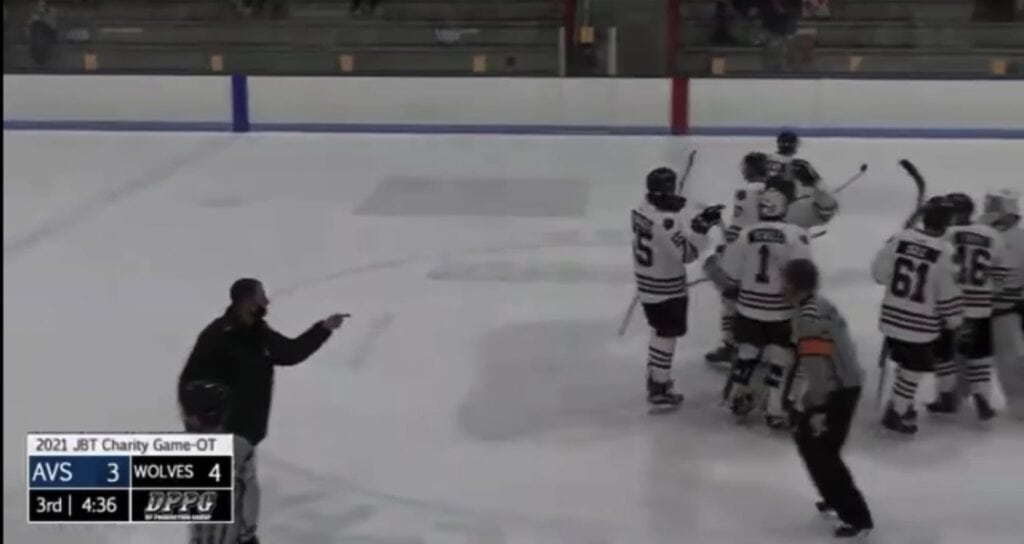
Here are some of the worst examples of youth coach conduct, based on research, sport governing bodies’ codes of ethics, and what consistently drives kids out of sports. I’ll group them by theme and explain why each is so damaging. In this modern age of the internet and technology, eyeballs are always watching. Lets strive to be better.
1. Verbal & Emotional Abuse
Examples
- Yelling, screaming, or humiliating players
- Sarcasm or insults (“You’re useless,” “You’ll never be good”)
- Publicly blaming kids for losses
- Threatening playing time as punishment for mistakes
Why it’s harmful
- Erodes confidence and enjoyment
- Creates fear-based learning (kids play tight and quit earlier)
- Often remembered years later as the reason a child stopped playing
2. Favoritism & Unequal Treatment
Examples
- Giving extra ice time to certain kids regardless of effort
- Protecting star players from discipline
- Playing the coach’s child or friends more than others
- Ignoring or dismissing weaker or late-developing players
Why it’s harmful
- Destroys team trust and culture
- Teaches kids that effort doesn’t matter
- Particularly damaging in developmental age groups
3. Winning-at-All-Costs Mentality
Examples
- Shortening the bench at young ages
- Playing injured kids to win
- Designing practices only for systems, not skill development
- Treating losses as failures instead of learning moments
Why it’s harmful
- Contradicts youth sport development models
- Leads to burnout and overuse injuries
- Undermines long-term athlete development
4. Unsafe Physical Practices
Examples
- Using excessive conditioning as punishment
- Ignoring concussion symptoms
- Encouraging kids to “play through pain”
- Running drills inappropriate for age or ability
Why it’s harmful
- Puts kids at physical risk
- Exposes leagues to legal and ethical violations
- Teaches kids to ignore their own health signals
5. Poor Communication With Parents
Examples
- Confrontational or disrespectful tone
- Refusing to explain roles or expectations
- Publicly criticizing parents or kids
- Discussing other players negatively
Why it’s harmful
- Creates toxic environments around the team
- Escalates conflict instead of managing it
- Models poor adult behavior for children
6. Modeling Bad Sportsmanship
Examples
- Arguing with referees aggressively
- Encouraging cheap shots or retaliation
- Celebrating opponents’ injuries or mistakes
- Blaming officials for losses
Why it’s harmful
- Kids copy what coaches do, not what they say
- Increases penalties, suspensions, and league issues
- Undermines respect for the game
7. Emotional Immaturity or Ego-Driven Coaching
Examples
- Coaching to boost personal status or resume
- Taking losses personally and lashing out
- Refusing feedback or accountability
- Making it “about me” instead of the kids
Why it’s harmful
- Shifts focus away from player development
- Creates instability and fear
- Often leads to repeated conflict across seasons
8. Boundary Violations (Serious Red Flags)
Examples
- Inappropriate comments or jokes
- Excessive private communication with players
- Emotional manipulation (“You owe me”)
- Ignoring safeguarding policies
Why it’s harmful
- Puts kids at risk
- Can lead to serious legal consequences
- Zero-tolerance issues for any organization
The Big Pattern
The worst youth coaches tend to:
- Coach for themselves, not the kids
- Confuse control with leadership
- Treat children like mini-pros instead of developing humans
The best youth coaches do the opposite:
- Teach skills and character
- Create safety, fairness, and fun
- Measure success by growth, not trophies
By Andrew Trimble
Andrew is the GM of the New England Wolves of the USPHL. www.ne-wolveshockey.com